
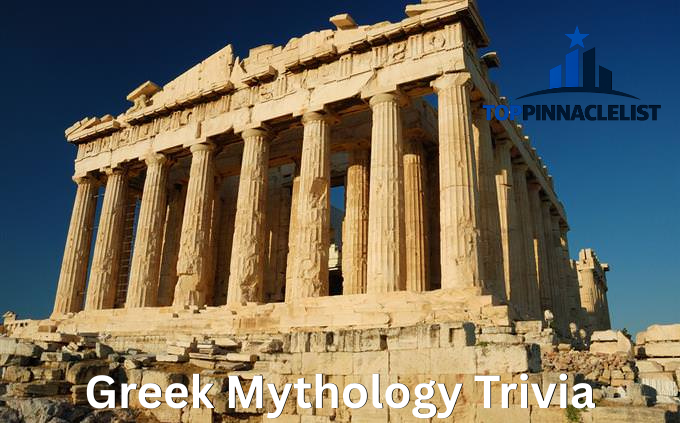

Ever tried hosting a quiz night or just wanted to impress friends with fascinating facts, only to realize your questions feel too basic or too random? That’s where well-crafted greek mythology trivia questions come in. Whether you’re planning a classroom activity, family game night, or a competitive quiz, finding the right mix of easy, fun, and challenging questions isn’t always simple.
Greek mythology is full of dramatic stories, powerful gods, clever heroes, and strange creatures—but turning those stories into engaging trivia takes a bit of insight. This guide solves that problem by giving you a curated mix of greek mythology trivia questions and answers, from beginner-friendly to truly difficult. You’ll also get practical tips, quiz formats, and even creative team name ideas to make your trivia experience memorable.
If you’ve ever struggled to balance fun and difficulty, or wanted trivia that actually teaches something new, you’re in the right place.
What Makes Greek Mythology Trivia So Popular?
Greek mythology works perfectly for trivia because it blends storytelling with recognizable characters and surprising twists. People already know names like Zeus or Hercules—but the deeper details often surprise them.
Here’s why it stands out:
- Rich characters: Gods, titans, monsters, and heroes
- Layered stories: One myth often connects to many others
- Unexpected facts: Many answers go against common assumptions
- Universal appeal: Works for both kids and adults
A well-designed greek mythology trivia quiz taps into curiosity while rewarding knowledge.
Easy Greek Mythology Trivia Questions (Beginner Level)
These are perfect for warm-ups, classrooms, or younger audiences looking for easy greek mythology trivia questions and answers.
- Who is the king of the gods?
Answer: Zeus - Who is the god of the sea?
Answer: Poseidon - Who is the goddess of wisdom?
Answer: Athena - What creature has the body of a lion and the head of a human?
Answer: Sphinx - Who flew too close to the sun?
Answer: Icarus - What is the name of the underworld?
Answer: Hades - Who is the messenger of the gods?
Answer: Hermes
Practical Tip
Start your quiz with easy questions like these to build confidence and engagement before increasing difficulty.
Greek Mythology Trivia for Kids
When designing greek mythology trivia kids content, simplicity and storytelling matter more than complexity.
- Focus on clear characters
- Avoid overly violent or complex myths
- Keep questions short and visual in imagination
Examples:
- Who is the strongest Greek hero?
Answer: Hercules - What animal is sacred to Athena?
Answer: Owl - Who turned people into stone with her gaze?
Answer: Medusa
Unique Insight
Kids remember mythology better when questions connect to visual imagery (like monsters or symbols) rather than abstract relationships between gods.
Medium-Level Greek Mythology Trivia Questions
These questions challenge general knowledge while still being accessible.
- Who is the mother of Perseus?
Answer: Danaë - What was Achilles’ only weak spot?
Answer: His heel - Who created the labyrinth?
Answer: Daedalus - What creature lived in the labyrinth?
Answer: The Minotaur - Who is the goddess of love?
Answer: Aphrodite
Common Mistake
Many quizzes jump from easy to extremely hard. A strong greek mythology trivia game always includes a middle tier like this to keep players engaged.
Hard Greek Mythology Trivia Questions
If you want to challenge serious fans, these hard greek mythology trivia questions will do the job.
- Who was the father of the Minotaur?
Answer: A sacred bull sent by Poseidon - What is the name of the river that causes forgetfulness in the underworld?
Answer: Lethe - Who chained Prometheus to a rock?
Answer: Zeus - What nymph detained Odysseus for several years?
Answer: Calypso - Who killed the Chimera?
Answer: Bellerophon
Unique Insight
Hard trivia becomes more engaging when questions involve lesser-known consequences of myths, not just names. For example, asking why something happened instead of who did it increases depth.
Greek Mythology Trivia Multiple Choice Format
Multiple choice makes quizzes more interactive and accessible.
Example:
Who is the god of war?
A) Apollo
B) Ares
C) Hermes
D) Dionysus
Answer: B) Ares
Why This Works
- Reduces intimidation for beginners
- Keeps games fast-paced
- Encourages guessing and participation
Ancient Greek Mythology Trivia (Advanced Knowledge)
For those interested in deeper mythology:
- What titan held up the sky?
Answer: Atlas - Who is the goddess of the dawn?
Answer: Eos - What is the name of Hades’ three-headed dog?
Answer: Cerberus - Who is the personification of victory?
Answer: Nike
Practical Use
These questions are ideal for academic quizzes or mythology enthusiasts.
Funny Greek Mythology Trivia Team Names
A quiz night isn’t complete without creative team names. Here are some funny greek mythology trivia team names:
- The Medusa Stare
- Zeus Lightning Squad
- Trojan Horsepower
- Olympian Misfits
- The Mythfits
- Hades’ Hotshots
Unique Insight
Funny names improve participation. Teams with humorous identities tend to engage more actively and remember the experience longer.
How to Build a Great Greek Mythology Trivia Game
If you’re creating your own greek mythology trivia game, here’s what actually works:
1. Balance Difficulty
Use:
- 30% easy
- 40% medium
- 30% hard
2. Mix Question Types
- Direct questions
- Multiple choice
- True/false
- Story-based questions
3. Add Story Context
Instead of:
“Who is Perseus?”
Try:
“Which hero defeated Medusa and used her head as a weapon?”
This makes the quiz more memorable.
4. Avoid Repetition
Don’t ask multiple questions about the same myth unless they explore different angles.
Common Mistakes in Greek Mythology Trivia
Avoid these pitfalls:
- Overusing famous myths (Zeus, Hercules only)
- Ignoring female figures like Hera or Artemis
- Making questions too vague
- Skipping explanations after answers
Practical Tip
Always explain answers briefly. It turns trivia into learning, not just guessing.
FAQ: Greek Mythology Trivia
What are good greek mythology trivia questions for beginners?
Good beginner questions focus on major gods, simple myths, and recognizable symbols. They should be easy to understand and not require deep knowledge of relationships or timelines.
How do you make a greek mythology trivia quiz more fun?
Use a mix of question formats, add storytelling elements, and include funny team names. Keeping rounds short and interactive also improves engagement.
What is the difference between easy and hard greek mythology trivia?
Easy trivia covers well-known figures and basic facts, while hard trivia focuses on lesser-known myths, relationships, and detailed story elements.
Are greek mythology trivia games suitable for kids?
Yes, as long as questions are simplified and avoid complex or darker themes. Visual and character-based questions work best for younger audiences.
How many questions should a trivia game include?
A good quiz usually has 15–30 questions, depending on time. Mixing difficulty levels ensures players stay interested throughout.
Conclusion
Greek mythology trivia isn’t just about testing knowledge—it’s about bringing ancient stories to life in a fun and interactive way. Whether you’re using easy greek mythology trivia, building a competitive greek mythology trivia quiz, or challenging experts with hard greek mythology trivia questions, the key is balance and creativity.
By mixing difficulty levels, using engaging formats, and adding a bit of humor, you can turn a simple quiz into a memorable experience. The best trivia doesn’t just ask questions—it sparks curiosity and leaves people wanting to learn more.
If you approach it thoughtfully, even a casual game night can become an unforgettable journey through ancient myths.